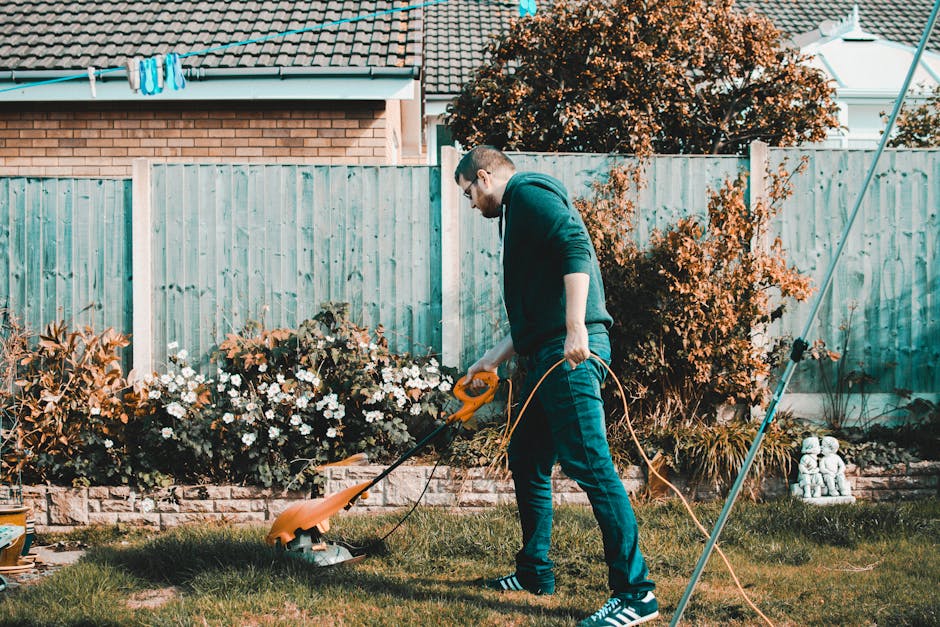
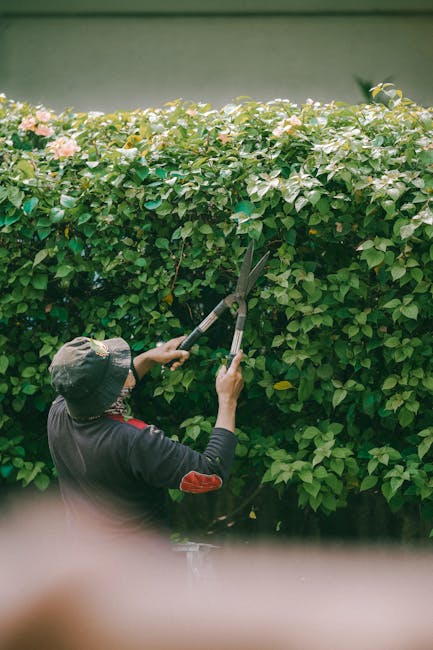
Cost to hire gardeners in Harrow real cost guide
If you are trying to work out the cost to hire gardeners in Harrow, you are probably after something much more practical than a vague estimate. Fair enough. Most people want to know what they will actually pay, what changes the price, and whether the quote they have been given is sensible. This real cost guide breaks it down in plain English, with the kind of detail that helps you budget properly and avoid awkward surprises later.
Harrow gardens come in all shapes and sizes. Some are neat little town gardens that just need regular tidying. Others have overgrown hedges, heavy leaf fall, tired lawns, or awkward access at the back of a property. That is why garden maintenance pricing is rarely one-size-fits-all. The real cost depends on the job, the time needed, the frequency, and the level of care involved. Let's unpack it properly.
For a broader look at what professional work can include, you may also find the services overview useful, and if you want to understand how estimates are prepared, the page on pricing and quotes gives a helpful starting point.
Table of Contents
- Why Cost to hire gardeners in Harrow real cost guide Matters
- How Cost to hire gardeners in Harrow real cost guide Works
- Key Benefits and Practical Advantages
- Who This Is For and When It Makes Sense
- Step-by-Step Guidance
- Expert Tips for Better Results
- Common Mistakes to Avoid
- Tools, Resources and Recommendations
- Law, Compliance, Standards, or Best Practice
- Options, Methods, or Comparison Table
- Case Study or Real-World Example
- Practical Checklist
- Conclusion
- Frequently Asked Questions
Why Cost to hire gardeners in Harrow real cost guide Matters
Garden costs matter because gardens have a habit of looking deceptively simple from the patio door. Then you step outside and realise the hedge needs cutting, the borders are half swallowed by weeds, the grass has gone patchy, and there are three jobs you forgot about completely. The real cost guide is useful because it helps you separate visible price from true value.
In Harrow, where homes range from compact terraced gardens to larger family plots, the same type of job can vary a lot. Access, waste removal, seasonal growth, and the condition of the garden all affect the final bill. If you understand those drivers early, you can compare quotes more confidently and avoid paying too much for a light tidy-up or too little for a proper clearance that really needs time and effort.
It also matters for planning. A one-off garden tidy before a family event is priced very differently from monthly maintenance through spring and summer. And if you are trying to keep a property presentable for tenants, buyers, or simply your own sanity, knowing the likely spend makes decisions easier. To be fair, that is half the battle.
For trust and process details, some readers also like to review a company's about us page and its insurance and safety information before they book. It is a sensible habit, not overthinking.
How Cost to hire gardeners in Harrow real cost guide Works
At its simplest, gardener pricing usually comes down to one of three models: hourly rates, fixed-price jobs, or regular maintenance agreements. Each has its place. The best option depends on how clear the scope is and how much flexibility you want.
Hourly pricing works best when the garden is unpredictable. Maybe you are not sure how long the pruning will take or there is a mixture of small jobs that need sorting out on the day. The gardener charges for time spent, often with materials or disposal added separately.
Fixed pricing is more common for well-defined jobs like hedge cutting, lawn care, or a one-off tidy-up. If the brief is clear, you get a set figure upfront. That is helpful for budgeting, though the price may rise if the work turns out to be larger than expected.
Regular maintenance is usually priced as a recurring arrangement. Think fortnightly cuts in warmer months, seasonal pruning, weeding, edging, and general tidying. The price per visit may be lower than a one-off callout because the garden is kept under control. That is the quiet advantage people often miss.
In real life, the quote usually depends on a few core factors:
- garden size and layout
- how overgrown or neglected the space is
- the type of work required
- whether waste needs to be taken away
- how easy it is to access the garden
- how often the service will happen
- special equipment, labour, or materials needed
A quick example: two gardens in the same Harrow street may look similar from the front, but one could have easy rear access and a tidy lawn, while the other has narrow side access, dense brambles, and bags of waste to remove. Same postcode, very different job. That is why a good quote is based on the work, not just the location.
Key Benefits and Practical Advantages
Hiring a gardener is not just about making things look nicer, although that is obviously a big part of it. It is also about saving time, reducing physical strain, and keeping the garden healthy enough that it does not become a bigger project later. A small monthly spend can prevent a very large seasonal headache. Truth be told, gardens like to punish neglect.
Here are the main practical benefits:
- More predictable budgeting: once you know the likely range, you can plan seasonal work rather than reacting in a panic.
- Better garden health: regular pruning, mowing, and weeding usually leads to better long-term condition.
- Less stress and less weekend backlog: the garden stops being that job you keep avoiding.
- Safer outdoor space: overgrown paths, slippery moss, and unstable plant growth can create avoidable risks.
- Higher presentation value: a tidy front and back garden can make a property feel cared for straight away.
There is also a practical comfort in handing the job to someone who knows what they are doing. You will notice the difference in the finish. Clean edges, even mowing lines, better-shaped shrubs, and fewer rushed shortcuts. It sounds simple, but the difference is easy to see on a bright Saturday morning when the grass is damp and the smell of cut hedges hangs in the air.
If you want to understand which services typically sit behind those benefits, browsing the services overview can help you match the job to the right type of visit.
Who This Is For and When It Makes Sense
This guide is for anyone who wants a realistic idea of what to expect before booking a gardener in Harrow. That includes homeowners, landlords, letting agents, tenants with responsibility for a garden, and even older residents who simply want the outside space managed without the strain.
It makes sense to hire a gardener when:
- you do not have the time or tools to keep up with routine maintenance
- the garden has got away from you after a busy season
- you need the space looking tidy for a viewing, event, or family visit
- you want hedge cutting, pruning, or planting done safely and neatly
- the job is too awkward, heavy, or time-consuming to do well yourself
It may not be worth booking a professional for the very smallest jobs if you genuinely enjoy gardening and already own the right tools. But as soon as work becomes repetitive, physically awkward, or time-sensitive, a gardener starts to make sense. A quick Sunday trim is one thing. Wrestling a waist-high hedge in wet weather is another. And nobody ever looks forward to that second one.
For anyone comparing providers, the best first step is to see how they explain their working standards and service scope. A clear provider will usually describe those things openly, not hide them behind vague language. That is where a page like about us can be reassuring, because it gives a sense of how the business approaches its work.
Step-by-Step Guidance
If you want to get a fair, realistic gardening quote, keep the process simple and specific. The clearer you are, the less chance there is of confusion later.
- List the exact tasks. Say whether you need mowing, hedge trimming, weeding, pruning, planting, leaf clearance, or a full tidy-up.
- Describe the condition honestly. If the garden is overgrown, say so. If it has been untouched for months, say that too. No point pretending otherwise.
- Explain access. Narrow side access, long carry distance, locked gates, or no parking nearby can all affect the job.
- Ask whether waste removal is included. This is one of the most common reasons a quote ends up looking different later.
- Check if the quote is hourly or fixed. That tells you where the risk sits if the job runs longer than expected.
- Ask what is excluded. Some jobs do not include materials, plant replacement, or major clearance work.
- Compare like with like. Two quotes are only useful if they include roughly the same scope.
A small but useful habit: take a few photos in daylight. Nothing fancy. Just enough to show the condition clearly. A picture of the lawn, the hedge, the borders, and any access issues saves a lot of back-and-forth. It also helps the gardener give a more accurate price first time around.
If you are ready to move from research to action, you can use the contact us page to make an enquiry and start shaping a proper brief.
Expert Tips for Better Results
The cheapest quote is not always the best value. In gardening, a low number can hide an incomplete scope, rushed labour, or an assumption that you will deal with waste yourself. That is where people get caught out.
Here are a few practical tips that usually save money in the long run:
- Book routine work before the garden becomes a rescue job. Overgrowth costs more to tackle than maintenance.
- Combine tasks where possible. A gardener already on site may be able to handle mowing, edging, and weeding more efficiently than separate visits.
- Be clear about your priorities. If the budget is limited, say what matters most. Front garden first, hedges next, the rest later.
- Ask how waste will be handled. If clippings and branches are being removed, that should be explicit.
- Keep regular jobs on a seasonal rhythm. Spring growth and autumn leaf fall can change how much time the garden needs.
One small reality check: a garden that looks "a bit untidy" to the owner can turn out to be a long, awkward session for the person doing the work. Hedges, bindweed, heavy clay soil, hidden pots, broken edging, and wet waste all add time. If you understand that, the pricing starts to make more sense.
For households that care about how waste is handled, the page on recycling and sustainability is worth a look. It can give peace of mind that cuttings and green waste are treated responsibly where possible.
Common Mistakes to Avoid
The biggest mistake is comparing quotes without checking the scope. A GBP120 quote and a GBP180 quote may not be far apart at all if one includes waste disposal, hedge shaping, and a full tidy-up while the other is basically labour only. Apples and pears.
Other common slip-ups include:
- Not mentioning overgrowth: this leads to awkward price changes after arrival.
- Forgetting access issues: difficult access can add real time.
- Assuming waste is included: always ask.
- Choosing on price alone: cheap can be fine, but only if the scope is genuinely the same.
- Booking too late in the season: spring and early summer can be busier, and that may affect availability.
- Not asking how often the service is intended to repeat: a one-off tidy-up is not the same as ongoing maintenance.
There is also a softer mistake: not saying what you actually want. Some people want a wild garden reduced to manageable shape. Others want a crisp, tidy, near-ornamental finish. Those are different jobs, and a good gardener will price them differently. Be honest about the end result you have in mind.
Tools, Resources and Recommendations
You do not need a toolkit full of professional gear to make a sensible buying decision, but a few simple resources help a lot.
- A short written brief: list the work in plain language.
- Photos of the garden: especially useful for overgrown areas and access points.
- A rough budget range: this helps the gardener suggest the right scope.
- A calendar view: note when you need the work done, especially if it is before an event or tenancy changeover.
- A checklist of priorities: useful if the garden needs more work than the budget allows in one go.
For a more detailed look at how service details and quote expectations are usually presented, the page on pricing and quotes is a practical reference. If you want to understand the kinds of jobs that may be available, the services overview can help you line up the task with the right support.
And if you are still just feeling your way through the decision, that is normal. Most people are not garden pricing experts. They just want the front and back looking decent without spending more than they should.
Law, Compliance, Standards, or Best Practice
Garden work can touch on safety, waste handling, neighbour considerations, and property access, so best practice matters even when the job looks straightforward. Without getting too formal about it, a professional gardener should work in a way that is careful, transparent, and appropriately insured for the tasks they carry out.
Useful things to check or expect include:
- Clear communication about the job scope before work starts
- Safe use of tools and equipment around people, pets, and property
- Reasonable handling of waste and cuttings in line with agreed arrangements
- Awareness of access and neighbour boundaries if work is near shared spaces
- Suitable insurance and safety arrangements for professional visits
It is also sensible to review practical policy pages before booking. The pages on health and safety policy and insurance and safety are there to explain how the business approaches those areas. That kind of openness is a good sign. No drama, just good practice.
If a job involves disposal, heavier cutting, or repeated visits, it is fair to ask how the work will be carried out and what precautions are taken. You do not need to interrogate anyone, but a professional outfit should be comfortable explaining the basics.
Options, Methods, or Comparison Table
Different gardening jobs suit different pricing models. Here is a simple comparison to help you see which approach fits your situation best.
| Pricing method | Best for | Pros | Watch-outs |
|---|---|---|---|
| Hourly rate | Unclear or mixed jobs | Flexible, good for evolving work | Final cost can rise if the job expands |
| Fixed quote | Defined one-off tasks | Easy to budget, clearer upfront | May not suit jobs with hidden complexity |
| Regular maintenance plan | Ongoing care and repeat visits | Usually better value over time, garden stays under control | Needs commitment and seasonal flexibility |
For many Harrow homeowners, the sweet spot is a mixture: one initial tidy-up to reset the garden, then regular visits to keep it from slipping back. That is often the most sensible route, and oddly enough, the least stressful too.
Case Study or Real-World Example
Here is a realistic example based on a common Harrow situation. A homeowner has a medium-sized rear garden that has been left alone for most of the summer. The lawn is long, the hedge is uneven, there are weeds in the borders, and a pile of cuttings from old DIY work is sitting at the side. Nothing extreme, but definitely more than a quick tidy.
On inspection, the gardener would usually look at:
- how long the grass has grown
- whether hedge cutting is shaping or major reduction
- how much weeding is involved
- whether old waste needs removing
- how easy it is to move tools and debris in and out
In that sort of scenario, the quote might be higher than the owner expected, not because of hidden charges, but because the job is really several jobs rolled into one. Once the garden is restored, though, follow-up maintenance is usually much simpler and more affordable. That is the key lesson. The first visit often does the heavy lifting; later visits keep things steady.
People often say, "It does not look that bad." Then the quote comes in, and a lightbulb goes on. Not in a bad way. Just in a real-world way.
Practical Checklist
Before you book, run through this quick checklist. It keeps the process tidy and helps avoid missed details.
- Have I listed every task I want done?
- Have I explained the garden's current condition honestly?
- Have I mentioned access issues, parking, or gate restrictions?
- Do I know whether waste removal is included?
- Is the quote hourly, fixed, or part of a maintenance plan?
- Have I compared the same scope across different quotes?
- Do I know when the work needs to happen?
- Have I checked the provider's trust and safety information?
- Do I have photos ready if needed?
- Have I set a realistic budget, not just a hopeful one?
If you can tick most of those off, you are in a strong position. No need to overcomplicate it. A clear brief and a sensible expectation go a long way.
Conclusion
The real cost to hire gardeners in Harrow depends on the work, the condition of the garden, and the way the job is priced. That sounds obvious, but in practice it is where most confusion starts. Once you understand the difference between a quick tidy, a one-off reset, and a regular maintenance visit, the numbers start to make much more sense.
The best outcome is not just the lowest price. It is the quote that matches the garden in front of you, includes the right scope, and leaves you confident about what happens next. That is the kind of value people remember. A tidy lawn, neat edges, a garden that feels looked after. Simple, really.
If you want a clearer figure for your own garden, the most practical next step is to request a tailored estimate and compare the scope carefully. That is usually where the answer becomes obvious.
Get a free quote today and see how much you can save.
When a garden is properly understood, the cost stops feeling mysterious - and starts feeling manageable.
Frequently Asked Questions
How much does it usually cost to hire a gardener in Harrow?
The cost varies depending on the size and condition of the garden, the type of work needed, and whether the job is one-off or recurring. A small tidy may cost far less than an overgrown clearance, so the best way to judge is by the actual scope rather than a single headline number.
Is an hourly rate or fixed quote better for garden work?
Hourly rates suit jobs that are hard to predict, while fixed quotes are better for clearly defined tasks. If you already know exactly what needs doing, a fixed quote is usually easier to budget for. If the garden is a bit of a mystery, hourly pricing can be more flexible.
What factors make garden maintenance more expensive?
Overgrowth, difficult access, waste removal, larger lawns, heavy pruning, and multiple tasks all add to the time needed. Seasonal demand can also matter. A garden that has been left too long often takes much more effort than it first appears to.
Should waste removal be included in the quote?
It should be clear either way. Some quotes include green waste removal, while others do not. Always ask before booking, because this is one of the most common reasons a final bill can feel different from the original estimate.
How often should I book a gardener?
That depends on the garden and how tidy you want it kept. Many people choose regular visits during the growing season and fewer visits in quieter months. If you want the garden to stay under control, consistency usually saves work later.
Do smaller gardens cost less to maintain?
Usually yes, but not always. A small garden that is heavily overgrown or awkward to access can cost more than a larger but well-kept one. Size matters, but condition matters just as much.
What should I ask before accepting a quote?
Ask what is included, whether waste removal is covered, how long the work is expected to take, and whether the price is fixed or hourly. It is also wise to ask about access requirements and any safety or insurance arrangements.
Can I save money by bundling tasks together?
Often, yes. If a gardener is already on site, combining mowing, edging, pruning, and weeding can be more efficient than booking separate visits. Just make sure the combined scope is clear so nothing gets missed.
What is the difference between a tidy-up and full garden clearance?
A tidy-up usually covers surface-level work like mowing, light weeding, edging, and general neatening. A full clearance is more intensive and may involve cutting back overgrowth, removing thick waste, and restoring the garden from a neglected state. The time and price can be very different.
How do I know if a gardener is reliable?
Look for clear communication, a sensible quote, and transparent information about services, safety, and pricing. Pages such as about us and insurance and safety can help you judge whether the provider takes the work seriously.
Is it worth booking regular maintenance instead of one-off visits?
For many gardens, yes. Regular maintenance usually keeps costs steadier and prevents the garden from becoming a bigger, more expensive job later. If you want a neat result without the annual scramble, it is often the more sensible option.
How do I get the most accurate quote?
Send photos, list the tasks clearly, mention access details, and be honest about the garden's condition. The more specific you are, the more likely it is that the quote will reflect the real work needed. A good brief saves everyone time, which is never a bad thing.
If you are still comparing options, you can review the pricing and quotes information again or use the contact us page to ask for tailored guidance.